
Once detox is complete, structured therapy remains vital for ongoing recovery. The brain’s neurotransmitter systems—especially GABA—continue to rebalance after alcohol use, and counseling helps stabilize mood and behavior. Individual sessions address triggers and anxiety, while group therapy strengthens accountability and reduces relapse risk.
- You might think that a regular glass of red wine or other alcoholic beverages might be good for your heart.
- In a 12-month period spanning 2014 and 2015, experts estimate that at least 30.5 million people in the U.S. took benzodiazepines prescribed by a healthcare provider.
- Undergoing detox ensures you receive the support, care, and medical attention you need to overcome your addiction.
- If symptoms persist, your healthcare provider may recommend temporary sleep aids or anti-anxiety medications under careful supervision, always prioritizing options with low addiction potential.
- It’s a deeply personal process shaped by your unique body and your history with alcohol.
Effective medical support during alcohol withdrawal requires a thorough treatment approach that combines pharmacological interventions with structured clinical protocols. alcoholism symptoms You’ll need intensive medical care in a controlled environment, where healthcare providers will typically administer benzodiazepines like diazepam or lorazepam. Treatment also includes high-dose thiamine supplementation and careful monitoring of crucial signs.
Alcoholic Nose: Can Drinking Cause Rhinophyma? Signs and Treatment
If throwing everything away feels too hard, give it away to a friend or family member. Alcohol has what doctors call a depressive effect on your system. It slows down your brain function and changes the way your nerves send messages back and forth. Dizziness, lightheadedness, or fainting may occur, especially when you get up suddenly from a lying or sitting position. If this problem continues or gets worse, check with your doctor. Appropriate studies performed to date have not demonstrated geriatric-specific problems that would limit the usefulness of trazodone extended-release tablets in the elderly.
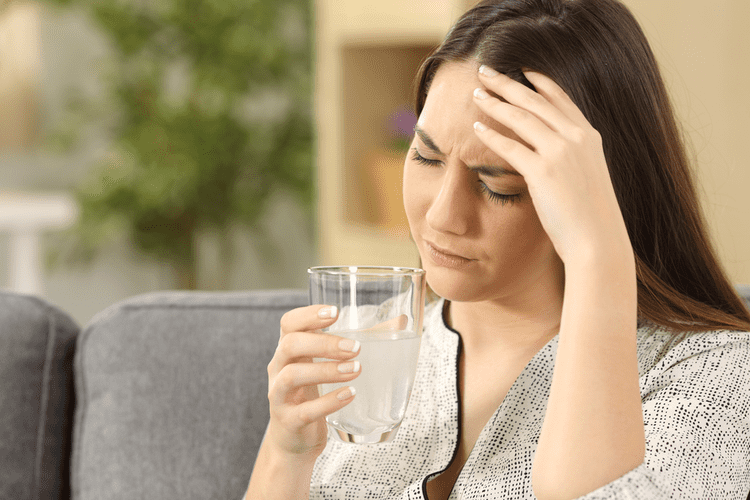
What are the advantages of benzodiazepines?
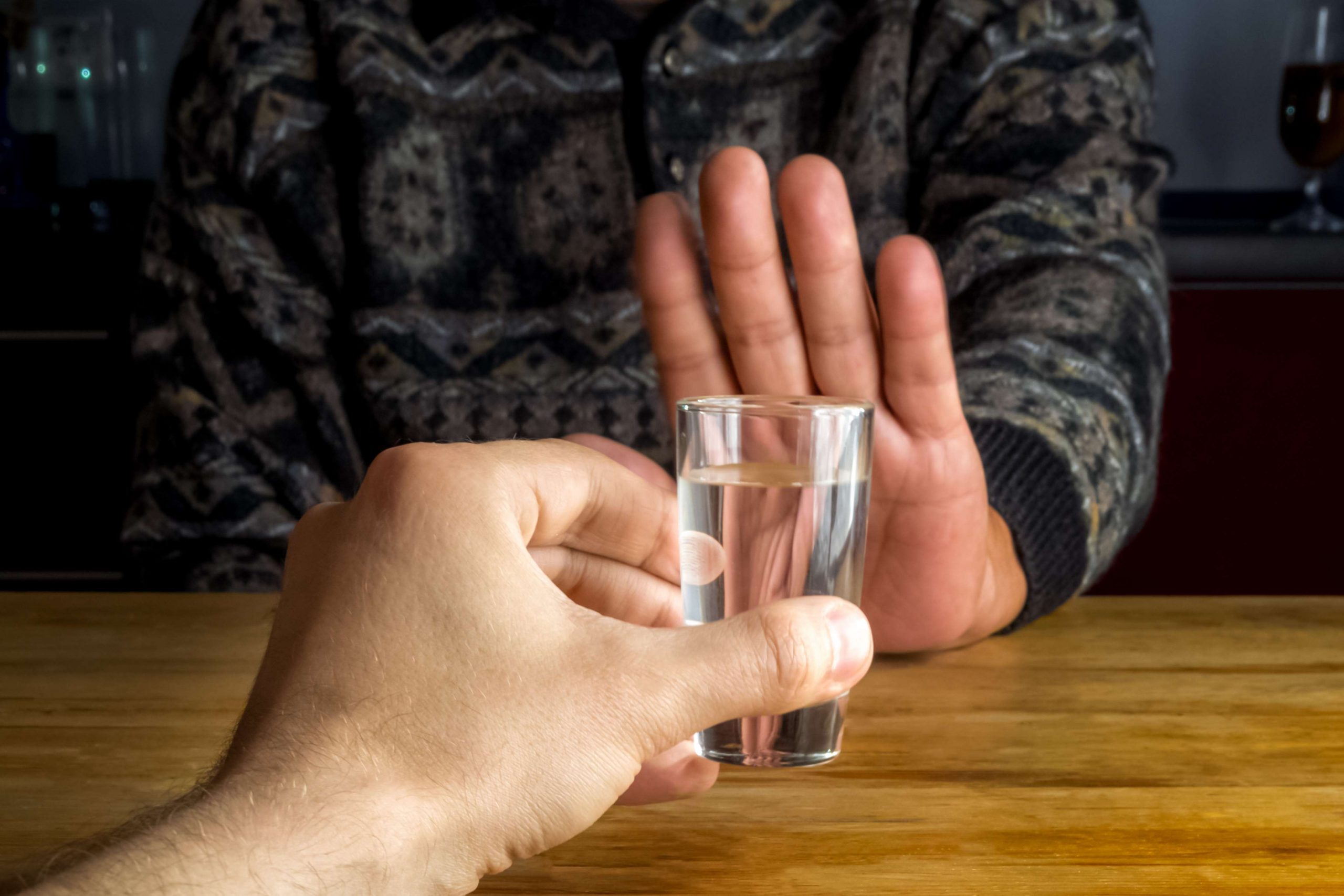
In particular, alcohol abuse can create a shortage of folate, thiamine, magnesium, zinc, and phosphate. Individuals with a history of withdrawal-induced seizures may be given anticonvulsant drugs during detox. Common anticonvulsant drugs used to manage convulsions during withdrawal include carbamazepine, divalproex sodium, phenobarbital, levetiracetam, and clonazepam. Between 12 and 24 hours, after individuals stop drinking, some people may experience tactile, auditory or visual hallucinations. There are three stages of severity when it comes to alcohol withdrawal side effects ranging from mild to severe.
Addiction rehab
The main management for severe symptoms is long-acting benzodiazepines — typically IV diazepam or IV lorazepam. But treatment varies based on the severity of alcohol withdrawal and the likelihood that it could progress to severe or complicated withdrawal. It’s difficult to predict who will and who won’t experience alcohol withdrawal — and how severe it will be. Drinking alcohol on a regular basis can also lead to dependence, which means your body and brain have grown used to alcohol’s effects. Some people who drink eventually develop a tolerance to alcohol.
If you want to reduce the amount of caffeine you consume, it’s best https://ecosoberhouse.com/ to do so slowly. An overdose of caffeine may cause rapid or irregular heartbeat and breathing issues. In rare cases, a caffeine overdose can result in death due to convulsions or irregular heartbeat. If you have experience with stomach problems, like acid reflux or ulcers, ask your doctor if it’s okay for you to have caffeine.
What Are the Effects of Alcohol on the Body?
Your doctor will also develop a tapering schedule for medications and connect you with ongoing support services, including counseling and support groups, to guarantee sustained recovery. After 72 hours, you’ll generally see physical symptoms subside, though some cognitive effects might persist. Your risk for severe complications increases if you have a history of long-term alcohol dependence or underlying health conditions.
- The pancreas helps regulate how your body uses insulin and responds to glucose.
- Over several months, your liver cells continue regenerating, enhancing overall function.
- After graduation, he joined the Navy and completed a family practice residency in Jacksonville, Florida, where he became board certified.
- Quetiapine may also be used for other conditions as determined by your healthcare provider.
- Tell your healthcare provider if you have any of the following signs of low thyroid hormones.
What happens if I don’t reduce my drinking?
This is when the risk for Delirium Tremens (DTs), the most severe complication, hits its peak. DTs are a full-blown medical emergency, causing severe confusion, high fever, agitation, and seizures that can be life-threatening. This very real danger is precisely why a medically supervised detox is not just a good idea—it’s essential. Recognizing these early signs for what they are is incredibly important because they can quickly snowball into much more severe symptoms. Acknowledging that these are predictable reactions to a medical condition is the first step toward getting safe, effective help.
Long-Term Recovery Mindset
Stop taking quetiapine and call your healthcare provider right away if you have any of the following symptoms. Quetiapine can cause high blood sugar levels or diabetes, high cholesterol levels, and weight gain. Check your weight regularly and tell your healthcare provider if you experience weight gain.

In-network providers typically offer the most thorough coverage with lower out-of-pocket costs. If symptoms persist, your healthcare provider may recommend temporary sleep aids or anti-anxiety medications under careful supervision, always prioritizing options with low addiction potential. AlcoholAwareness.org is dedicated to providing support and resources for individuals struggling with alcohol addiction. We aim to raise awareness, offer guidance, and connect people with recovery programs to help them regain control and improve their lives. While your alcohol cravings may markedly diminish over time, they don’t always completely disappear.
Early Physical Warning Signs
Therapy sessions, whether individual or group, provide a safe space to alcohol detox side effects explore the underlying causes of addiction and develop healthier coping mechanisms. Cognitive-behavioral therapy (CBT) is a commonly used approach that helps individuals recognize and change negative thought patterns and behaviors. Disulfiram is typically used during the later stages of rehabilitation, not during the detoxification process.