

Understanding Nudify Online: Tools and Ethical Considerations
In today’s digitally-driven world, technology continues to evolve and influence various aspects of our lives. One of the intriguing developments that have emerged from this evolution is the concept of nudify online, an innovative approach to image editing and manipulation. In this article, we will explore the applications, ethical implications, and the future of nudification tools.
The Rise of Nudification Tools
Nudification tools are online platforms and software that allow users to alter images in such a way that they can create nudified versions of pictures, often through the use of advanced AI technology. These tools have gained popularity due to their accessibility and the rapid advancements in artificial intelligence, machine learning, and graphics rendering. Users can easily upload their images, and with just a few clicks, transform them into a style or aesthetic they prefer.
Applications of Nudification Tools
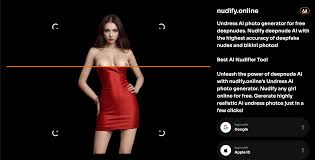
There are several areas where nudification tools find applications. One of the primary uses is in the realm of digital art and photography. Artists and photographers can utilize these tools to experiment with different styles and techniques, thus enhancing their creative output. Additionally, these tools can serve as a source of entertainment, allowing users to play with their images for fun and humor.
Nudification tools also have a place in the fashion industry, where designers can visualize concepts with nudified images before creating actual clothing items. These applications can offer insights into how designs would look on a nude backdrop, providing a unique perspective for fashion modeling.
Ethical Considerations
While the nudify online phenomenon has appealing applications, it raises important ethical questions. The creation and dissemination of nudified images can border on issues of consent, privacy, and respect. Individuals often do not want their images altered, and the unauthorized use of someone’s likeness can lead to significant consequences, both legally and socially.
Furthermore, the normalization of nudified images may have broader implications for body image and self-perception. With the proliferation of digitally manipulated images, individuals may begin to compare themselves against unrealistic standards. This is particularly concerning for younger audiences who are more impressionable and may not fully understand the distinction between digital art and reality.
Legal Frameworks and Regulations

As the nudify online trend grows, so too does the need for legal frameworks to govern its use. Some countries have started to implement regulations that address the unauthorized use of images and the ethical responsibilities of creators. It’s crucial for individuals engaging with nudification tools to be aware of these laws to avoid potential legal repercussions.
For example, laws surrounding copyright and privacy rights can vary significantly from one region to another, impacting how nudified images can be created and shared. By understanding these regulations, users can make informed decisions and respect the rights of others while engaging with nudification technology.
The Future of Nudify Online
Looking ahead, the future of nudify online tools appears to be intertwined with advancements in AI and graphics technology. As these tools become more sophisticated, they will likely offer enhanced customization options and greater user control over the nudification process. Innovations in machine learning could lead to more realistic outcomes, making it easier for users to achieve their desired results.
Moreover, increased awareness of ethical considerations is prompting developers to integrate features that promote responsible use. This might include consent verification processes and clearer communication about the implications of creating nudified images. As these tools become more mainstream, the conversation around their ethical use will likely continue to evolve, urging developers and users alike to act responsibly.
Conclusion
In conclusion, the concept of nudify online presents a fascinating intersection of technology, creativity, and ethics. While these tools offer exciting possibilities for artistic expression and innovation, they must be approached with caution and respect for individual rights. As the landscape of digital manipulation continues to change, it is essential for users to remain informed and engaged in the broader discussions surrounding the implications of nudified images in our digital age.