

Long-term, heavy drinking causes alterations in the neurons, such as reductions in their size. In the meantime, the existing nerve cells branch out to compensate for the lost functions. Thankfully, some of the changes in the alcoholic brain are due to cells simply changing size in the brain. Once an alcoholic has stopped drinking, these cells return to their normal volume, showing that some alcohol-related brain damage is reversible. Misuse of alcohol during adolescence and early adulthood does alcohol increase dopamine can alter the trajectory of brain development, resulting in long-lasting changes in brain structure and function. Dopamine is a neurotransmitter that works with the reward center of your brain, making you feel pleased, satisfied, and motivated.
How Does Alcohol Impact Dopamine Levels?
- Following a list of tips isn’t easy, especially if you try to do them all at once.
- These changes may disrupt cognition and possibly contribute to alcohol-induced memory loss and impaired judgment.
- On the other hand, some people with PD may tolerate moderate alcohol consumption without significant worsening of symptoms.
Dopamine cells show slow irregular firing with characteristic burst events (high-frequency clusters of spikes). In HR rats, burst events occurred every 1.3 sec, whereas they occurred only every 2.0 sec in LRs. Similar differences have been reported in rat strains that have been selectively bred for alcohol preference. Interestingly, adolescent rats, which are also more susceptible to high alcohol intake (Vetter et al., 2007), exhibit elevated firing of dopamine neurons (McCutcheon and Marinelli, 2009). Similarly to data from ethanol, acetaldehyde administration at the lowest and the highest doses (10 and 40 mg/kg respectively) did not elicit any increase in dopamine extracellular levels in the NAc (Peana et al., 2008). Furthermore, in dopamine mesoaccumbens neurons, acetaldehyde administration using an exponentially increasing dosage paradigm, dose-dependently affected cell activity (Enrico et al., 2009; Foddai et al., 2004).
- Highly palatable sweet, fatty, and salty foods and alcohol are just some of the many things that produce an incredibly quick reward.
- Collectively, these data indicate that dopamine plays a central role in reward, motivation and planning.
- For most modern societies, there’s a strong relationship between alcohol and social situations.
- Conversely, when dopamine levels are low, the system may upregulate its activity to restore balance.
- The more you drink, the more problems you’ll have with thought tasks and motivation to work.
2.3. Preclinical evidence: chronic alcohol exposure and dopamine
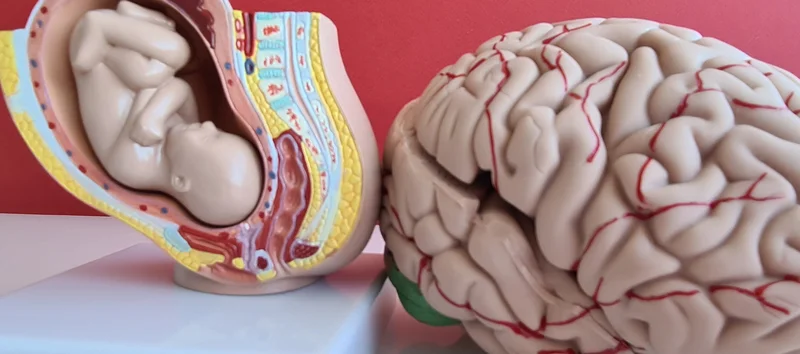
And if you have one too many alcoholic drinks, you may start to slur your speech and have trouble walking in a straight line — and that’s all before dealing with a hangover the next day. The SERT gene or SERT, also known as SLC6A4 has another polymorphism in intron 2. This polymorphism has therefore appropriately been named as serotonin intron 2 (STin2).
2.5. Human genetic evidence: alcohol dependence and dopamine
Berman’s research what is Oxford House has also found that the effects of alcohol abuse (and subsequent abstinence) differ between men and women. In a recent cross-sectional study, she and other researchers studied the brains of 60 individuals who’d been diagnosed with alcohol use disorder and abstained from drinking for at least four weeks. Clinical assessments revealed that women had higher mood scores than their male counterparts during early sobriety.
Start exploring addiction rehabs
This decrease can contribute to the negative emotional states often experienced during alcohol withdrawal, including depression, anxiety, and irritability. There is a belief among researchers that replacement of dopamine may be used to help people with addiction disorders. It is a chemical, however, that does not easily pass through the blood-brain barrier. Consequently, it’s unlikely that any potential treatment option that’s designed to increase dopamine uptake will be as simple as swallowing a pill loaded with the chemical. Research into how to take advantage of the chemical balance in the brain is ongoing, but it’s not currently close to yielding a feasible solution for those who are coping with alcoholism.
- Interestingly, those with the poorest impulse control — who would be considered most at risk of relapse after a period of sobriety — responded best to the treatment.
- At low doses, bromocriptine can reduce alcohol consumption in animals 171; it is possible that low‐dose dopamine agonists preferentially augment autoreceptor function, thereby decreasing dopamine turnover and blunting the rewarding effects of alcohol.
- While many aspects of brain function can return to pre-alcohol levels, some changes may persist.
- An example of an excitatory neurotransmitter is glutamate, which would normally increase brain activity and energy levels.
- Imbalances in dopamine levels can have significant effects on these functions, leading to various neurological and psychiatric conditions.
The binding of serotonin to its receptors initiates a series of biochemical events that converts the extracellular, chemical signal into an intracellular signal in the recipient cell. For example, the interaction of serotonin with one type of receptor stimulates the formation of small molecules (i.e., second messengers) within the cell. Second messengers interact with other proteins to activate various cellular functions, such as changes in the cell’s electrical activity or in the activity of certain genes (see figure). These changes can result either in the inhibition or the excitation of the signal-receiving neuron, depending on the cell affected.
Finally, we found that blockade of nicotinic acetylcholine receptors inhibited evoked dopamine release in nonhuman primates. Altogether, our findings demonstrate that long-term alcohol consumption can sex-dependently alter dopamine release, as well as its feedback control mechanisms in both DS subregions. Moreover, cabergoline, a dopamine D2 receptor agonist, decreased alcohol intake, relapse drinking as well as alcohol‐seeking behaviour in rodents 170.